
Mapping the World
Each person who ever lived contained within themselves an entire lifetime of sensations and experiences. From these, there is a functionally infinite dataset from which to draw history. Of course, most of what happened hasn’t been recorded in any way for a contemporary observer to review. And even if it had been, there would be no possible way for a single mind to interpret that staggering quantity of information. Moreover, even if one could interpret it, vast swaths of it would simply be repetitive or uninteresting. In fact, even in my own unitary lifetime, the overwhelming majority of what I do is just as quickly forgotten. So how are we to reconcile this preponderance of information with our own finite capacities?
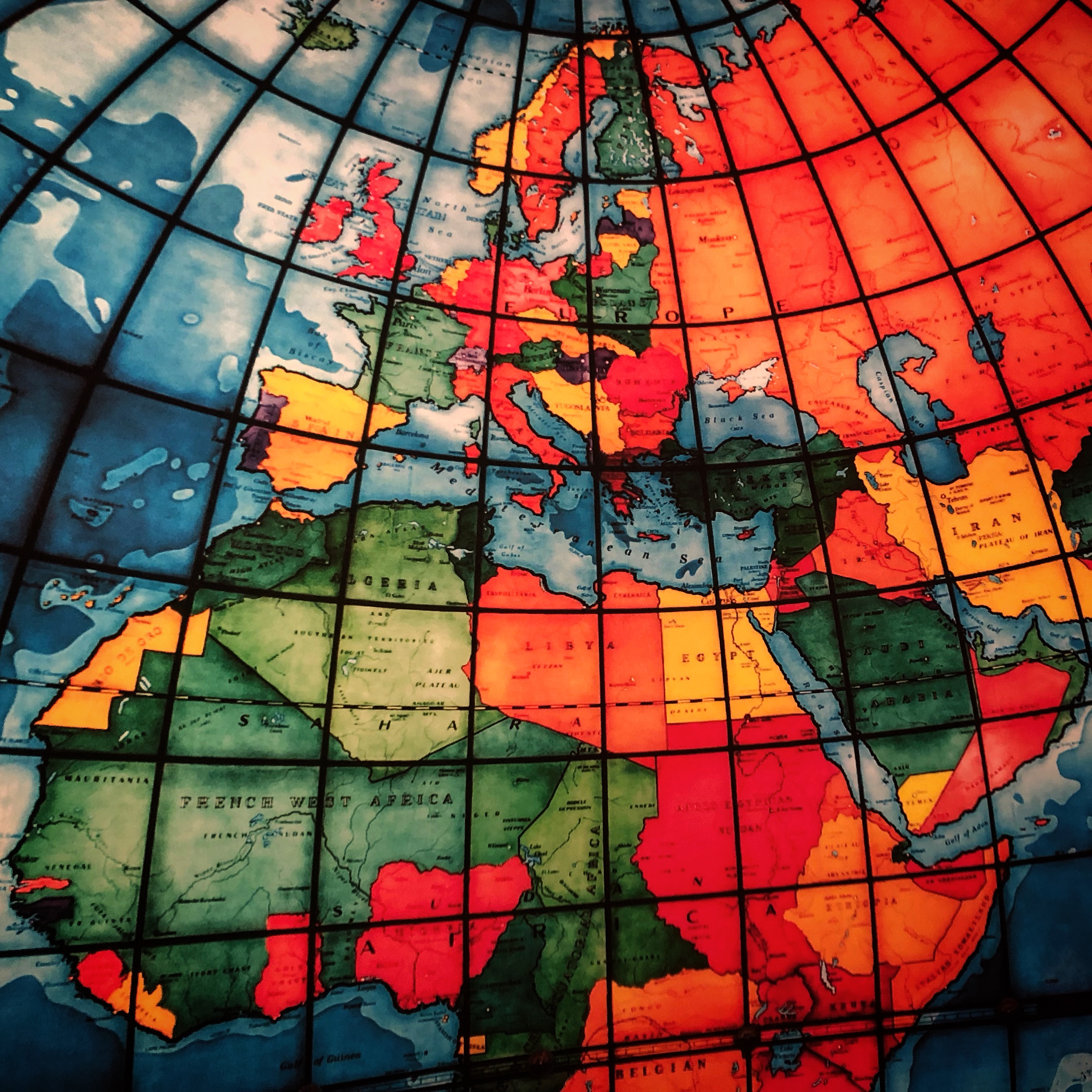
This dilemma reminds me of the parable of the king who, unsatisfied with a mere pocket map of his kingdom, orders his cartographer to scale it up so that the map is exactly as large as his kingdom. Of course a map the size of that which is being mapped would be utterly useless, just as a set of data describing every moment of every life would fail to provide any meaningful comprehendible information. It is indeed the synthesis of information that makes a map useful, and likewise for any other framework interpreting a ceaseless quantity data.





 Transpophile